プロフィール・アバター
사극 한복 인물 사진 변환
현대 인물 사진을 조선시대 한복 차림으로 변환. 사극 cosplay·SNS 콘텐츠.
사극 한복 인물 사진 변환の概要
プロフィール・アバター画像を作るためのChatGPT画像プロンプトです。主題、背景、スタイル、構図を整理し、すぐに試せるよう構成しています。
関連キーワード: 사극 한복 인물 사진 변환, 사극 한복 인물 사진 변환 프롬프트, プロフィール・アバター 프롬프트, プロフィール・アバター AI 이미지 프롬프트, ChatGPT 이미지 프롬프트, AI 이미지 생성 프롬프트, AI 프롬프트, 이미지 프롬프트
사극 한복 인물 사진 변환の活用方法
元の構造を保ちながら、被写体、背景、色、構図を変更して別案に展開できます。
- 主題を維持し、ブランドや季節、媒体に合わせて色と背景を変更してください。
- 結果が複雑な場合は背景要素を減らし、被写体、構図、照明を具体化してください。
- コピー後、ChatGPTに媒体、アスペクト比、文字の有無を追加で指定できます。
プロンプト原文
[Input]
- reference_image: {참고 이미지}
- language: Korean
- output_size: 1024x1536

[Purpose]
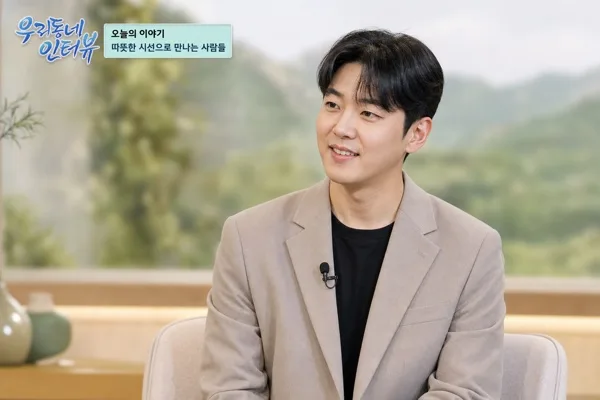
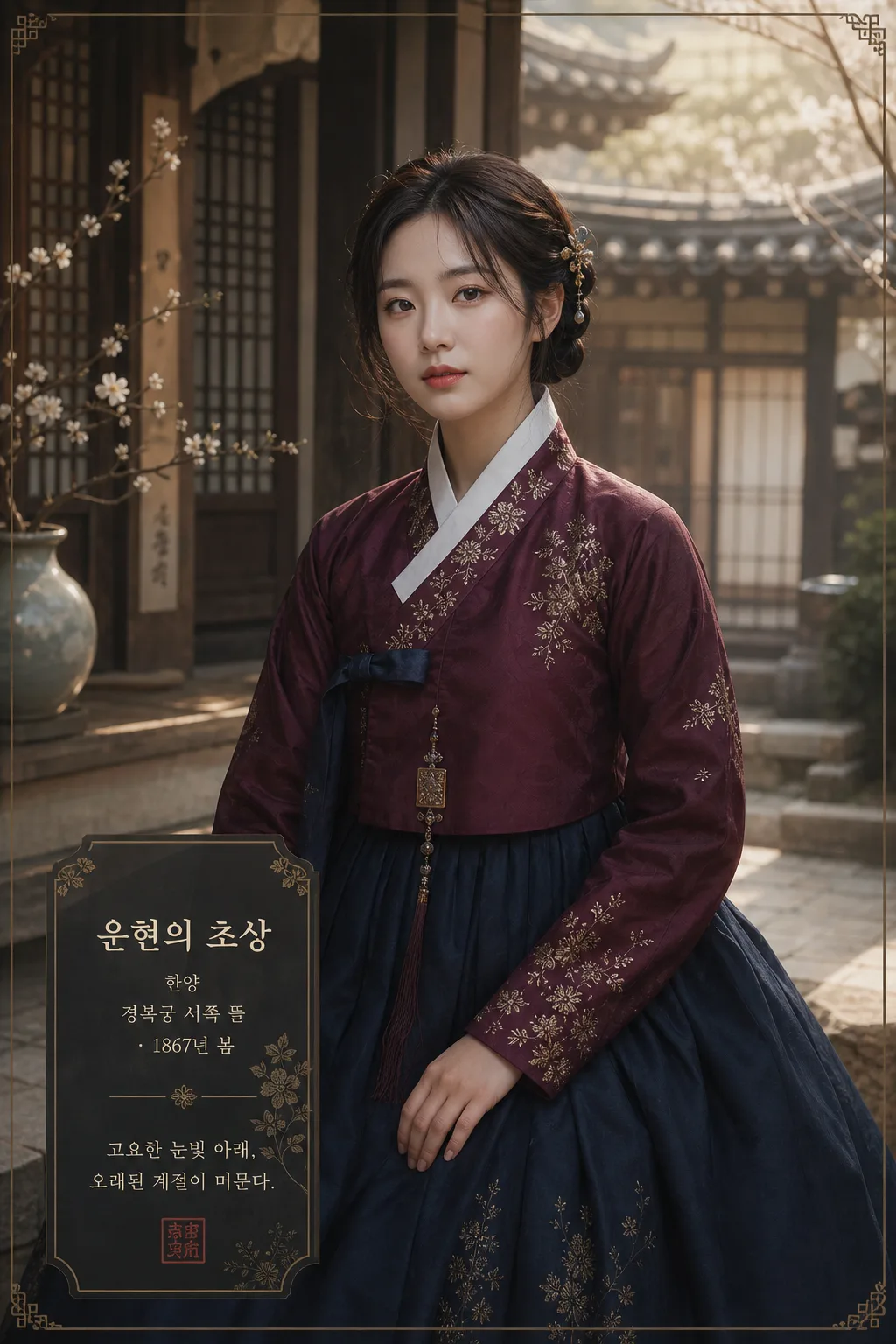
Attached portrait photo transformation into a Joseon-era Korean historical drama character image, keeping the person recognizable while restyling clothing, setting, and cinematic tone.
Vertical full-body or half-body i2i result suitable for profile use, poster-style display, and social sharing, with a subtle period-drama portrait-card finish using the title and caption elements in {인물 호칭}, {촬영 표기}, and {캡션 문구}.

[Composition]
- Main subject placement: single person centered in a 1024x1536 vertical frame, face occupying about 25–35% of image height, upper body clearly visible, with {변환 방향} guiding the overall historical re-styling.
- Identity retention: preserve the person’s facial identity, approximate hair color when possible, and original expression as specified by {보존 항목}, while adapting pose and costume naturally.
- Costume emphasis: render the clothing details described in {한복 디자인} with realistic textile folds, layered fabric depth, embroidered seams, collar overlap, sleeve weight, and period-appropriate silhouette.
- Background treatment: place the subject against {배경}, enriched with Joseon-era visual details such as wooden lattice doors, paper screen texture, stone courtyard floor, low ceramic vessel, seasonal branch shadows, silk curtain edges, or a faint oil-lamp glow when appropriate.
- Framing and spacing: keep an elegant portrait composition with the head ornament, shoulders, sleeves, and hands arranged naturally; allow robe drapery and background architecture to support the subject’s silhouette.
- Text placement: add a small cinematic portrait-card label using {인물 호칭}, {촬영 표기}, and {캡션 문구}; place it subtly near the lower-left or lower-right, integrated like a premium historical-drama still rather than a modern graphic poster.

[Core Structure]
- 1) Face and identity pass: keep the source face recognizable from {참고 이미지}, with natural skin texture, stable eye direction, and the same overall facial proportions.
- 2) Hair and head accessories: adapt the hairstyle to match the Joseon-era setting, integrating the hair treatment implied by {한복 디자인} with realistic strands, buns, gat straps, binyeo, daenggi, or traditional ornaments as appropriate.
- 3) Costume reconstruction: redraw the outfit from {한복 디자인} as authentic historical clothing, with accurate layer separation, sleeve drape, collar structure, waist tie tension, fabric weight, embroidery thread, and subtle wear from natural movement.
- 4) Background build: render {배경} as a soft, period-appropriate setting with muted tones, shallow depth separation, tactile paper grain, polished wood, aged stone, woven mat texture, and believable ambient props that would naturally belong in a Joseon portrait scene.
- 5) Cinematic finishing: apply the emotional tone in {분위기} through restrained contrast, film-like texture, creamy highlights, and a composed historical-drama atmosphere.
- 6) Portrait-card detailing: include a small Korean title/caption area with accurate text, date/location-style notation, and a subtle decorative stamp-like graphic motif that is clearly ornamental, not an official seal.
- 7) Constraint enforcement: avoid over-stylized fantasy edits; keep the portrait believable, dignified, and visually coherent from face to costume to setting.

[Style Rules]
- Typography: Korean text may appear as a subtle portrait-card overlay; use elegant serif-style Korean or neat Noto Serif KR / Noto Sans KR, 24–38px equivalent for the title, 16–22px equivalent for date/location and caption. Text must remain legible and correctly spelled.
- Color palette: use muted ivory, warm beige, charcoal black, deep indigo, subdued wine red, faded jade, natural wood brown, and soft paper-screen white; keep saturation moderate and film-like.
- Border/shadow: allow a thin hanji-paper edge texture, delicate vertical calligraphy guide line, or understated ornamental corner accent; use a subtle soft shadow around the subject separation only, about 4px y-offset, 14px blur, 12% opacity.
- Surface/detail quality: preserve realistic fabric weave, embroidery thread definition, hand-tied knots, paper grain, wood fibers, aged stone texture, and natural skin detail without plastic smoothing.
- Decorative graphics: use refined Joseon-inspired motifs such as cloud scrolls, plum blossom silhouettes, faint ink-wash brush texture, or a small ornamental red square mark that does not resemble an official seal.

[Visual Style]
- Camera / lens: 85mm portrait lens, f/2.0, shallow depth of field, full-frame look for a refined studio-portrait-meets-period-drama result.
- Lighting: soft window light from upper-left at about 45°, with gentle fill from front-right and a faint rim on the hairline, shoulder edge, hair ornament, and layered sleeve folds.
- Color grade: cinematic historical-drama grade with slightly desaturated shadows, creamy highlights, subtle indigo/wine accents, fine film grain, and a gentle warm-to-cool balance inspired by Korean film stills.
- Depth and realism: subject should feel physically present in the space, with contact shadows on the floor or seat, fabric gravity responding to posture, and background elements softly blurred rather than flattened.

[Mood]
A restrained Korean sageuk film still — the composed, dignified atmosphere of historical drama portraits such as 관상, 사도, and 서편제, enriched with tactile hanji, wood, textile, and courtyard details for a realistic period-photo impression.

[Critical]
- Korean text accuracy: render the visible text exactly as “{인물 호칭}”, “{촬영 표기}”, and “{캡션 문구}” if included; no misspellings, random syllables, or broken Hangul.
- Preserve the subject’s identity from the reference photo as much as possible, including facial structure, expression, and general likeness.
- If a male subject is detected, use the male Hanbok variant described in {한복 디자인}; if female, use the female Hanbok variant described in {한복 디자인}.
- Keep the image photorealistic and historically plausible, with accurate garment layering, natural fabric gravity, and dignified coverage.
- The portrait may include realistic Joseon-era atmosphere details such as 한옥 창살, 장지문, 돌마당, 청사초롱, 매화 가지, 도자기, 비단 주름, 먹빛 그림자, or 낮은 목가구.
- Use the caption as a tasteful drama-still element, for example: “{인물 호칭}”, “{촬영 표기}”, “{캡션 문구}”.

[8. 🚫 PROHIBITED]
- fake official seals, certification marks, government emblems, or authoritative document stamps
- broken Korean characters, garbled Hangul, random pseudo-Korean text
- celebrity face composites or replacing the reference identity with a famous actor
- cartoonish/anime-style identity transformation