趣味・ライフスタイル
산·숲·호수 자연 풍경 사진
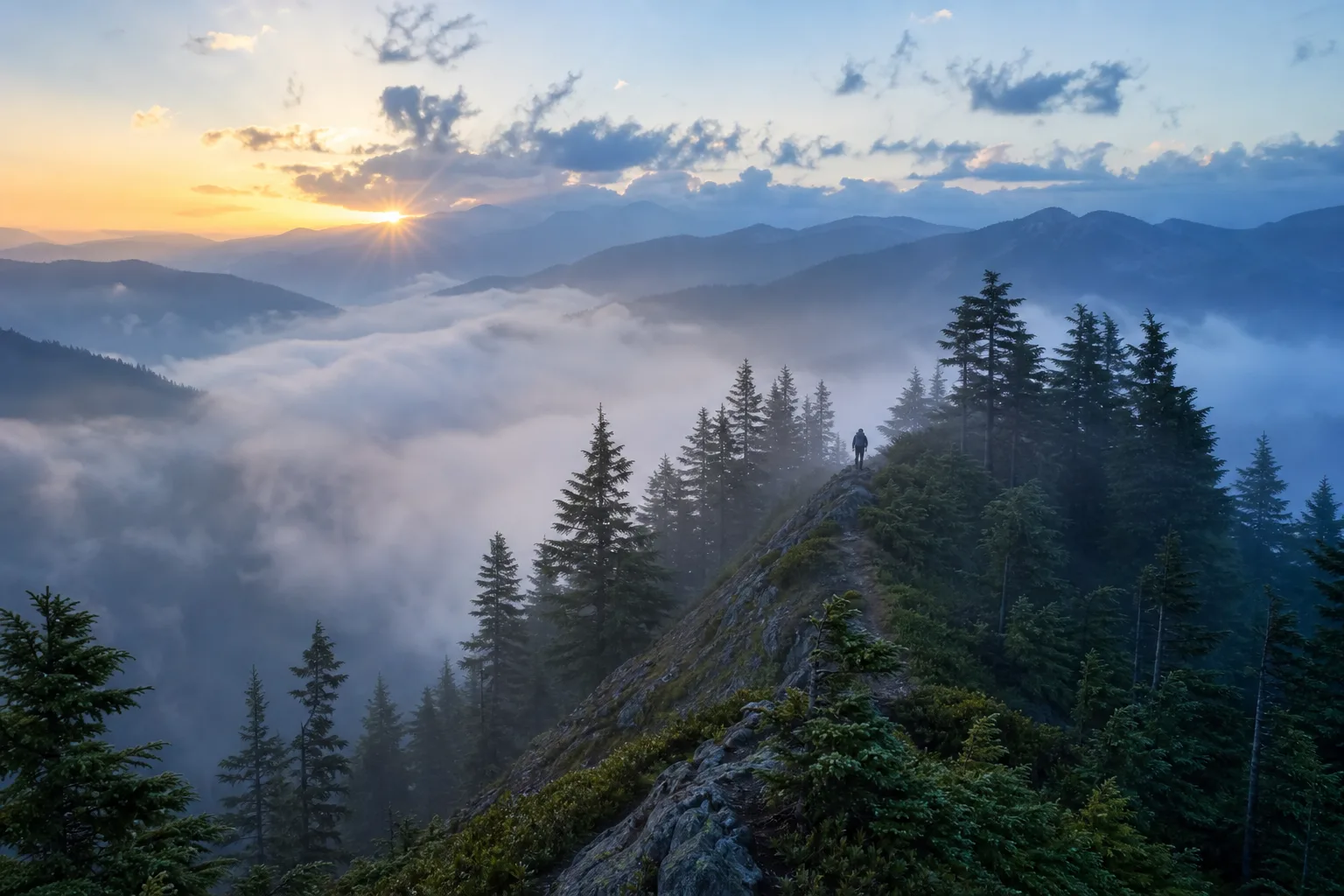
산·숲·호수 자연 풍경. Fujifilm GFX 중형 + Velvia 톤. 안개 낀 능선, 자작나무 숲, 새벽 호수. 인테리어 액자·여행 SNS.
산·숲·호수 자연 풍경 사진の概要
趣味・ライフスタイル画像を作るためのChatGPT画像プロンプトです。主題、背景、スタイル、構図を整理し、すぐに試せるよう構成しています。
関連キーワード: 산·숲·호수 자연 풍경 사진, 산·숲·호수 자연 풍경 사진 프롬프트, 趣味・ライフスタイル 프롬프트, 趣味・ライフスタイル AI 이미지 프롬프트, ChatGPT 이미지 프롬프트, AI 이미지 생성 프롬프트, AI 프롬프트, 이미지 프롬프트
산·숲·호수 자연 풍경 사진の活用方法
元の構造を保ちながら、被写体、背景、色、構図を変更して別案に展開できます。
- 主題を維持し、ブランドや季節、媒体に合わせて色と背景を変更してください。
- 結果が複雑な場合は背景要素を減らし、被写体、構図、照明を具体化してください。
- コピー後、ChatGPTに媒体、アスペクト比、文字の有無を追加で指定できます。
プロンプト原文
[Input]
- language: Korean
- output_size: 1536x1024

[Purpose]
Magazine-quality nature landscape photograph for editorial travel content, suitable for framed wall art, travel posts, premium scenic storytelling, and a realistic destination feature spread that feels photographed on location.

[Composition]
- Wide horizontal landscape with a 3:2 feel, where the ridge line or horizon sits around the upper or lower third depending on {구도}.
- Main landform mass occupies roughly 40–55% of the frame, supported by layered sky, mist, water, forest canopy, shoreline, or valley detail so the frame feels expansive and lived-in.
- Background surface should feel real and tactile: layered mountain silhouettes, dense conifer outlines, calm lake surface with ripples, waterfall spray, wet rock faces, reed field texture, cloud shadows, and distant tree-line variation depending on {모티프 변주}.
- Keep {자연 모티프} as the focal narrative element, with realistic secondary details such as a narrow hiking path, small wooden dock, scattered boulders, dew on grasses, floating leaves, distant birds, or a tiny hiker/boat only when it naturally fits the setting.
- Compose the scene with strong foreground-to-background depth: textured earth or shoreline in front, the primary natural subject in the midground, and atmospheric mountain/forest layers fading into the distance.

[3. CORE STRUCTURE]
- Foreground layer: anchor the scene with dark, detailed terrain edges, shoreline texture, tree trunks, reeds, moss, fallen branches, wildflowers, wet stones, pine needles, or rocky slope contours to create depth.
- Midground layer: place {자연 모티프} as the primary subject, with mist breaking the silhouette separation and guiding the eye through the frame; include believable natural irregularities such as uneven tree heights, exposed roots, sediment lines, and subtle water movement.
- Atmospheric layer: use {시간대·날씨} to build soft depth compression, with visible mist bands, drifting low clouds, faint rain traces, frost sparkle, or light haze and subtle light scattering rather than heavy fog opacity.
- Light behavior: apply {라이팅} so the scene has dimensionality, with rays or edge glow appearing naturally between trees, ridges, grasses, rock faces, or across water; reflections should respond to the real direction of light.
- Environmental realism: add small location-specific cues such as rippled reflections, bird silhouettes, broken reeds, lichen on rocks, snow patches on distant ridges, fallen leaves, or moisture on foliage without distracting from the main landscape.
- Camera rendering: {카메라·렌즈} for crisp landscape detail, realistic perspective, and controlled depth from foreground to distant ridge.
- Tonal finish: preserve {필름·톤} with natural greens, cool blues, and restrained contrast; keep highlights gentle and avoid clipped whites.

[4. STYLE RULES]
- Typography: no text overlays; the image should read as a pure photographic landscape, not a graphic poster.
- Color palette: deep forest green, pine blue, mist gray, slate teal, and soft dawn gold, aligned with {필름·톤}; allow earthy browns, moss yellow, rock charcoal, and water reflections where naturally present.
- Composition finish: prioritize authentic travel-photography framing with natural edges, environmental depth, and realistic detail; if the scene includes water, reflections should be slightly imperfect with ripples, reeds, or floating debris.
- Surface realism: foliage, bark, rock, snow, mist, and water must show varied texture, scale, and natural imperfections rather than smooth synthetic surfaces.

[5. VISUAL STYLE]
- Camera / lens: Fujifilm GFX100 II look, 32-64mm f/4 at 50mm, ISO 100, f/11, high-resolution landscape capture with clean micro-contrast.
- Lighting: {라이팅} with low-angle directional light, diffused through mist; if sunrise, keep the sun just outside frame or partially obscured by terrain.
- Color grade: Fuji Velvia 50-inspired landscape grading with rich but believable greens and blues, slight cyan bias, controlled saturation, and natural atmospheric perspective.
- Photographic detail: retain fine branch structure, believable leaf clusters, nuanced cloud texture, realistic water specular highlights, and subtle tonal separation across distant ridges.

[6. MOOD]
National Geographic-style wilderness editorial — calm, expansive, documentary-real, and immersive, with the feeling of standing at a quiet scenic overlook during {시간대·날씨}.

[7. CRITICAL]
- Korean text accuracy: no visible Korean text should appear in the image.
- Maintain a believable photographic landscape: no surreal terrain, no artificial glow, no painterly brush texture, and no overprocessed HDR look.
- If a tiny hiker appears in {자연 모티프}, keep the person anatomically correct and proportionally small within the environment.
- All natural elements must follow real scale relationships: trees, rocks, mist, lake reflections, ridges, wildlife, and human traces should look physically plausible.

[8. 🚫 PROHIBITED]
- Fake official seals / certifications
- Broken Korean characters
- Celebrity composites / unauthorized likeness