照片轉換/濾鏡
반려동물·동물 자연광 사진
반려동물·동물 자연광 포트레이트. Fujifilm + 56mm f/1.2 + 골든아워. 강아지·고양이·아기. 메모리얼·SNS·달력 활용.
반려동물·동물 자연광 사진摘要
這是用來製作照片轉換/濾鏡內容的 ChatGPT 圖像提示詞,已整理主題、背景、風格與構圖,方便快速調整。
相關關鍵字: 반려동물·동물 자연광 사진, 반려동물·동물 자연광 사진 프롬프트, 照片轉換/濾鏡 프롬프트, 照片轉換/濾鏡 AI 이미지 프롬프트, ChatGPT 이미지 프롬프트, AI 이미지 생성 프롬프트, AI 프롬프트, 이미지 프롬프트
반려동물·동물 자연광 사진使用方式
保留原始結構並替換主體、背景、色彩或構圖,即可延伸出不同版本。
- 保留核心主體,並依品牌、季節或平台調整色彩與背景。
- 如果畫面太複雜,請減少背景元素並具體描述主體、構圖與光線。
- 複製後可要求 ChatGPT 配合平台、長寬比或文字需求調整。
提示詞原文
[Input]
- language: Korean
- output_size: 1024x1536

[Purpose]
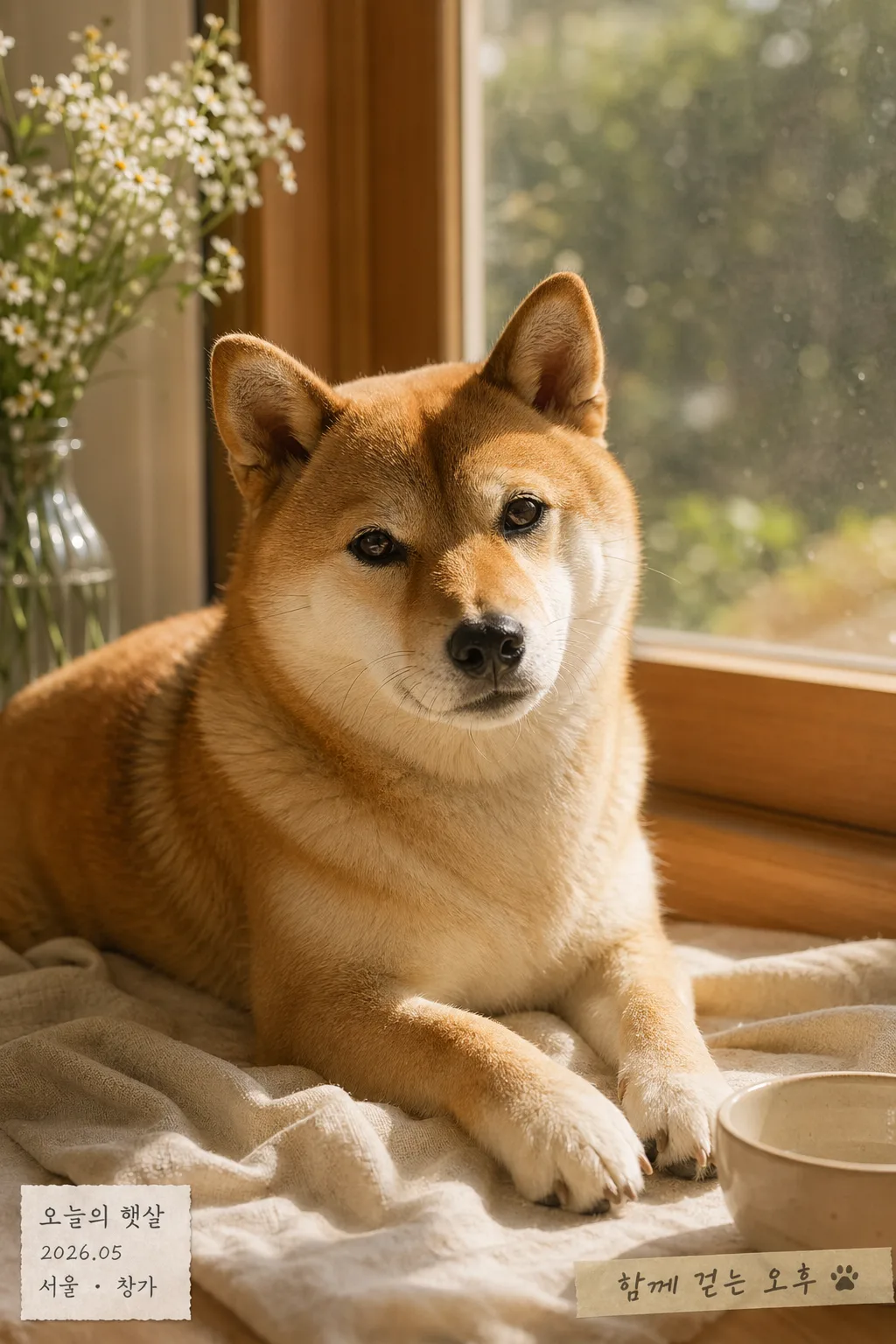
Korean pet natural-light portrait, editorial-style single-subject photo for memorial, SNS, calendar, and merchandise use.
Create a warm, real-world animal portrait with tactile environmental details, lifelike fur, gentle atmosphere, and enough contextual richness to feel like an authentic photographed moment rather than a sterile studio mockup.

[Composition]
- Single animal hero subject occupies about 60–70% of the frame, with the face and eyes placed near the upper third for immediate emotional focus.
- Background is a believable natural setting or window-side interior based on {장면}: include realistic details such as sunlit floor texture, linen fabric, wooden bench grain, soft grass, fallen leaves, flower stems, window frame shadows, ceramic bowl, collar tag, or a favorite blanket when appropriate to the scene.
- Eye-level composition at {구도}, with natural breathing room around the head and ears; paws, tail, and chest should feel intentionally framed rather than accidentally cut.
- The scene should feel intimate and calm, with {감정} guiding the pose, ear angle, body posture, and gaze direction.
- Add small documentary cues that support {용도}, such as a subtle corner date/location label, a tiny handwritten-style caption strip, or calendar/postcard-like micro text, while keeping the animal as the emotional center.

[3. CORE STRUCTURE]
- Subject block: {동물 종류} rendered as the clear focal point, with crisp fur strands, visible whiskers or muzzle texture, moist nose detail, natural paw or feather texture if visible, and believable catchlights in the eyes.
- Environment block: build the setting from {장면} into a lived-in natural-light portrait space, using layered depth such as foreground grass blades, soft curtain folds, worn wood, fabric weave, dust motes in sunlight, or blurred garden/window shapes.
- Camera framing: follow {구도} precisely, with a stable portrait layout that emphasizes the animal’s face, chest, and upper body while preserving realistic scale and perspective.
- Lighting block: shape the subject with {라이팅}, preserving natural falloff on fur, warm edge highlights, soft shadows under the chin and body, and gentle reflected light from the floor or surrounding surfaces.
- Detail treatment: use {카메라·렌즈} to imply sharp subject separation and shallow depth of field, then apply {필름·톤} for a restrained, filmic color response with fine grain and natural highlight roll-off.
- Expression block: direct the pose toward {감정}, making the gaze feel candid and emotionally honest, as if captured during a quiet walk, a sunlit nap, or a familiar moment at home.
- Usage-aware finish: keep the image polished enough for {용도}, with realistic micro-contrast, organic texture, and a premium editorial finish; avoid over-smoothing, waxy fur, plastic texture, or synthetic HDR-like effects.

[4. STYLE RULES]
- Typography: optional small editorial caption only, set in Korean using Pretendard SemiBold or a neat handwritten postcard style; place as a tiny lower-corner label, film-note tag, or calendar caption without covering the face. Example text may include “오늘의 햇살”, “2026.05”, “함께 걷는 오후”, or “서울 · 창가”.
- Color palette: warm cream, amber, muted sage, soft taupe, deep charcoal, and natural fur browns from {필름·톤}.
- Surface details: allow real photographic textures such as linen weave, grass, wood grain, window condensation, paper label texture, faint film grain, and gentle bokeh highlights when they naturally support {장면}.
- Finishing: use a soft realistic contact shadow with about 4px vertical offset, 12px blur, and 15% opacity where a printed card, calendar page, or tabletop presentation is implied; subtle paper edge, postcard note area, or small date stamp may be included if suitable for {용도}.

[5. VISUAL STYLE]
- Camera / lens: Fujifilm X-T5 style capture with XF 56mm f/1.2 R WR look, 1/640, ISO 200, f/1.8, shallow depth of field and clean subject separation.
- Lighting: golden-hour side light from frame left or soft window light from upper-left at 45°, with a subtle rim light along the fur edge, visible natural reflections in the eyes, and soft shadow roll-off across the body and nearby surfaces.
- Color grade: Classic Chrome or Portra 400-inspired grading with warm cream, amber highlights, slightly muted midtones, fine analog grain, and a natural editorial finish.

[6. MOOD]
Premium pet editorial portrait — feels like a quietly composed feature from Kinfolk or a refined animal portrait page in National Geographic style, blending gentle documentary realism with affectionate everyday storytelling.

[7. CRITICAL]
- Korean text accuracy: if text appears, render it cleanly and legibly in Korean, using short phrases only, such as “오늘의 햇살”, “2026.05”, “함께 걷는 오후”, or “서울 · 창가”.
- Anatomy/layout invariants: exactly one animal subject; eyes, nose, ears, limbs, paws, whiskers, feathering, and fur texture must look anatomically natural; no extra limbs, duplicated ears, warped muzzle, mismatched eye size, or distorted face proportions.
- The subject must remain the main focus, with believable optical separation from the background and no artificial sticker-like cutout look.
- Environmental details must support {장면}, {감정}, and {용도} without changing the animal species, camera direction, or core portrait concept.

[8. 🚫 PROHIBITED]
- Fake official seals / certifications
- Broken Korean characters