写真加工・フィルター
K-드라마 주인공 컷 변환
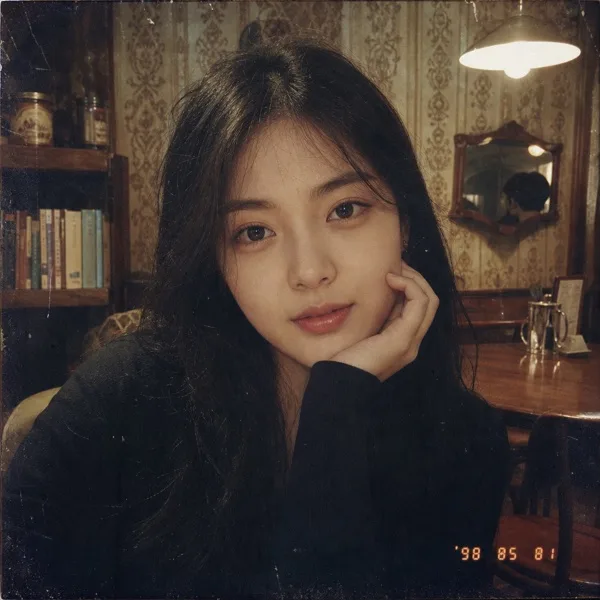
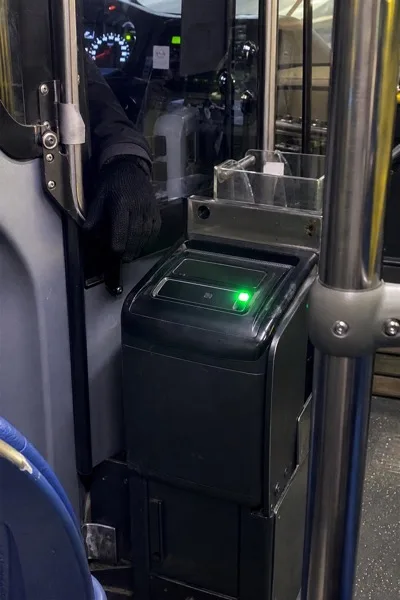
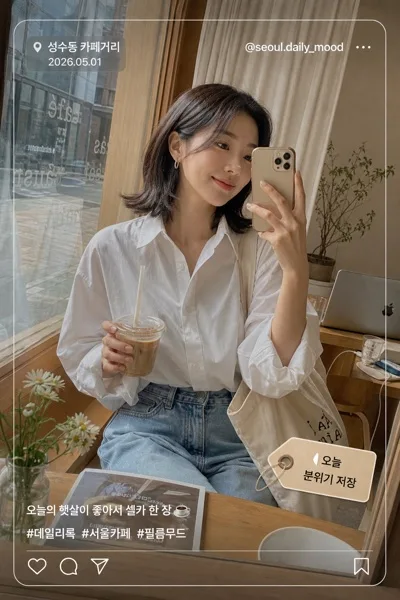
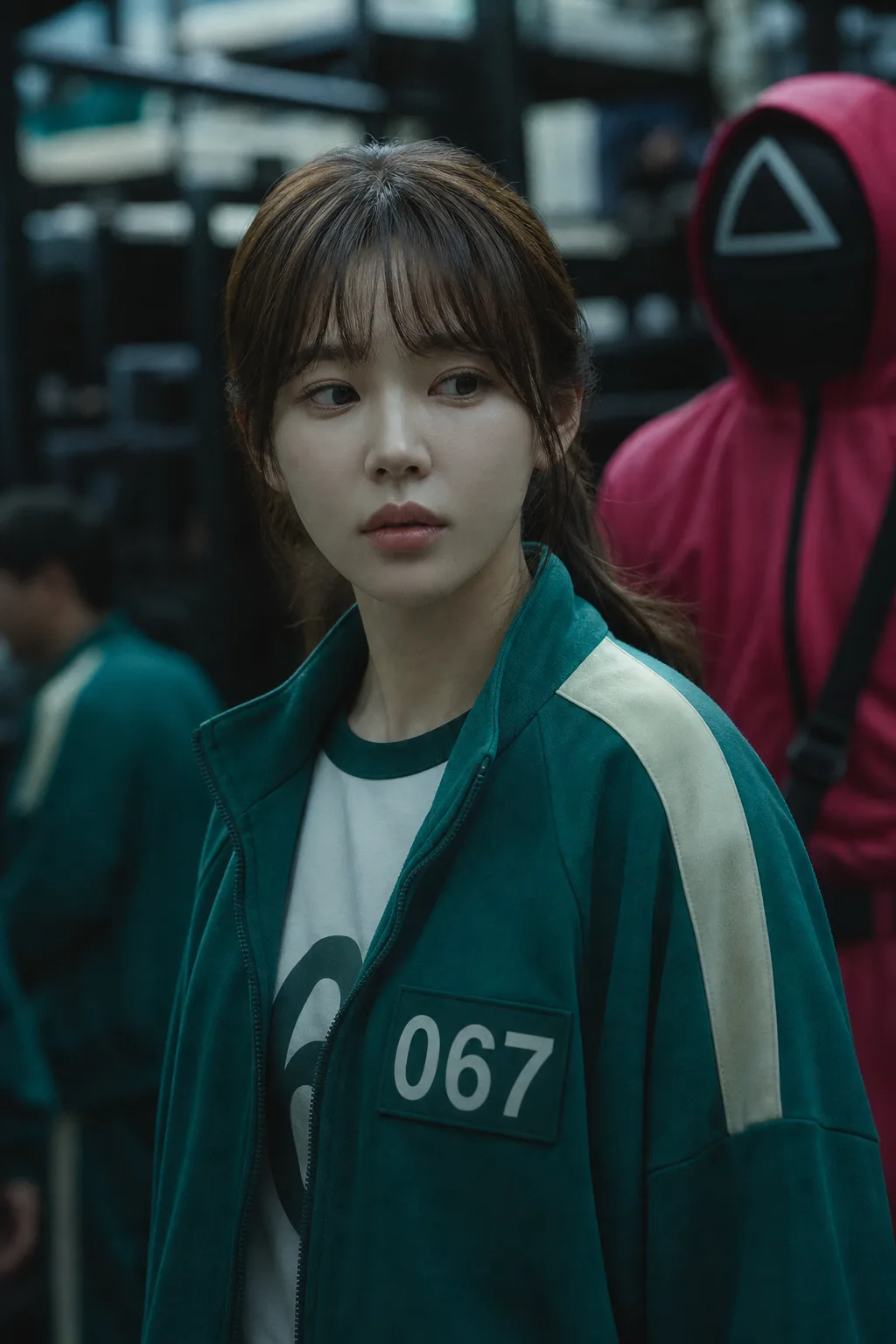
본인 사진 + 한국 드라마 톤 변환. 오징어게임·기생충·이상한변호사·도깨비·우리들의블루스 등 시그니처 장면 결.
K-드라마 주인공 컷 변환の概要
写真加工・フィルター画像を作るためのChatGPT画像プロンプトです。主題、背景、スタイル、構図を整理し、すぐに試せるよう構成しています。
関連キーワード: K-드라마 주인공 컷 변환, K-드라마 주인공 컷 변환 프롬프트, 写真加工・フィルター 프롬프트, 写真加工・フィルター AI 이미지 프롬프트, ChatGPT 이미지 프롬프트, AI 이미지 생성 프롬프트, AI 프롬프트, 이미지 프롬프트
K-드라마 주인공 컷 변환の活用方法
元の構造を保ちながら、被写体、背景、色、構図を変更して別案に展開できます。
- 主題を維持し、ブランドや季節、媒体に合わせて色と背景を変更してください。
- 結果が複雑な場合は背景要素を減らし、被写体、構図、照明を具体化してください。
- コピー後、ChatGPTに媒体、アスペクト比、文字の有無を追加で指定できます。
プロンプト原文
[Input]
- reference_image: {참고 이미지}
- language: Korean
- output_size: 1024x1536

[Purpose]
K-drama character scene transformation from an attached portrait into a cinematic vertical still. Preserve the subject identity while re-styling wardrobe, environment, color, lighting, and small in-world details to match a specific drama mood.

[Composition]
- Place the attached subject as the central hero in a vertical 1024x1536 frame, with the face and identity clearly preserved and the upper body occupying about 60% of the canvas.
- Use {원본 보존} as the identity rule for facial likeness, pose continuity, expression, skin tone, age impression, and natural proportions.
- Build the scene around {드라마 톤} so the wardrobe, set dressing, props, architectural cues, and background language read like a frame grabbed from a prestige K-drama.
- Shape the emotional read with {장면 무드}, keeping the composition cinematic, story-rich, and grounded rather than poster-like.
- Apply {비율·구도} with layered foreground and background depth: a believable location, practical lights, textured surfaces, and a few narrative objects that support the character’s situation without overwhelming the face.

[Core Structure]
- Portrait conversion layer: keep the original face structure, gaze direction, expression continuity, hairstyle logic, and skin tone continuity intact, while reinterpreting clothing and surrounding set elements to fit the selected drama world.
- Wardrobe layer: redesign the outfit to match {드라마 톤}, with realistic fabric textures, seams, folds, buttons, knit grain, coat lapels, uniform details, jewelry, watch, bag strap, scarf, or ID lanyard when appropriate; avoid costume-like exaggeration.
- Background layer: replace the original background with a drama-appropriate location that supports {장면 무드}, such as a rain-glossed Seoul alley, hospital corridor, law office archive room, police interview room, late-night convenience store, rooftop garden, subway platform, warm family restaurant, or emotionally tense apartment interior.
- Environmental detail layer: add believable Korean drama set dressing — wet pavement reflections, fluorescent ceiling panels, elevator signs, frosted glass doors, bulletin boards, files, coffee cups, umbrella stand, receipts, phone screen glow, wall clocks, framed family photos, handwritten notes, restaurant menus, street posters, or distant city lights depending on {드라마 톤}.
- In-world Korean text layer: if signage or props are visible, use short, fully legible Korean such as “진료실”, “회의실”, “오늘의 메뉴”, “출입문”, “새벽 2:13”, “서울역 방면”, or a phone notification like “부재중 전화 3통”; text must feel like part of the scene, not a graphic overlay.
- Lighting layer: use {라이팅} to create depth, separation, and film still realism, with controlled highlights, practical light sources, realistic reflections, and believable shadow falloff across the face, wardrobe, and background.
- Color layer: grade the full image using {컬러 톤}, ensuring the palette feels consistent across skin, wardrobe, props, signage, and background surfaces.
- Final polish layer: keep the frame cinematic and grounded, with seamless subject integration, natural lens behavior, realistic micro-texture, believable hair edges, and no over-sharpened compositing artifacts.

[Style Rules]
- Typography: do not turn the image into a poster or advertisement. Any text should appear as real set text, signage, phone UI, receipt print, name tag, elevator label, menu board, folder tab, or a tiny production-still style timestamp; use Pretendard or Noto Sans KR in medium weight when text is designed, and keep it naturally scaled.
- Color palette: derive the look from {컬러 톤}, but ground it with realistic drama-frame neutrals such as charcoal #2B2B2B, muted beige #D8CBB8, deep red #7A1F1F, cold gray-blue #7E8A97, warm tungsten #C79A62, rain-black asphalt #151719, and soft paper white #E8E1D5 when applicable.
- Texture and set dressing: include tactile surfaces such as wool, cotton, leather, glass, polished metal, rain droplets, paper grain, scuffed walls, wooden table edges, tiled floors, venetian blinds, or translucent curtains to make the still feel photographed on location.
- Framing and depth: use natural cinematic shadow separation, foreground occlusion if appropriate, subtle reflection layers, and a believable spatial relationship between the subject and environment.
- Facial realism: retain natural pores, fine hair strands, eye highlights, expression nuance, and asymmetry from the reference image; beautification must remain drama-realistic, not plastic or airbrushed.

[Visual Style]
- Camera / lens: full-frame 85mm portrait lens look, f/1.8 to f/2.8, vertical cinematic framing, shallow but believable depth separation, realistic compression, natural edge falloff, and a still-frame quality similar to a high-end Korean television production.
- Lighting: cinematic film lighting with controlled side key and subtle fill, such as a 45° key from camera-left, gentle negative fill on the shadow side, practical lights in the background, and a faint rim light for separation.
- Color grade: apply drama-grade tonal treatment inspired by prestige Korean television stills — either desaturated tension, warm domestic glow, cool urban nocturne, elegant legal-drama neutrality, or melancholic rain-night contrast depending on {드라마 톤}.
- Image realism: allow authentic imperfections such as slight lens breathing, soft background signage, mild skin sheen, reflected neon, fabric lint, dust in practical light, subtle motion from passing traffic, and natural background extras blurred in depth when they support the scene.

[Mood]
Prestige K-drama still — a frame you might expect from a high-end Korean series like Squid Game, Parasite, Goblin, or Extraordinary Attorney Woo, with cinematic realism, emotional clarity, lived-in Korean locations, and enough narrative detail to imply a larger scene before and after this moment.

[Critical]
- Korean text accuracy: any visible Korean must be fully legible and correctly rendered without broken characters. Suitable short in-scene examples include “진료실”, “오늘의 메뉴”, “회의실”, “서울역 방면”, “부재중 전화 3통”, “새벽 2:13”, “예약석”, or “출입문”.
- Preserve the attached subject’s identity exactly: face, age impression, expression continuity, gaze, hairstyle logic, skin tone, and natural anatomy must remain consistent with the original photo.
- Keep the scene photorealistic and frame-like, with believable wardrobe, lighting, props, signage, reflections, shadows, and set integration.
- The added environment must support {드라마 톤}, {장면 무드}, {컬러 톤}, {라이팅}, and {비율·구도} without changing the core subject or making the image feel like an advertisement.

[8. 🚫 PROHIBITED]
- Fake official seals / certifications
- Broken Korean characters
- Celebrity composites or unauthorized celebrity likeness