照片轉換/濾鏡
디테일 극대화 매크로 사진
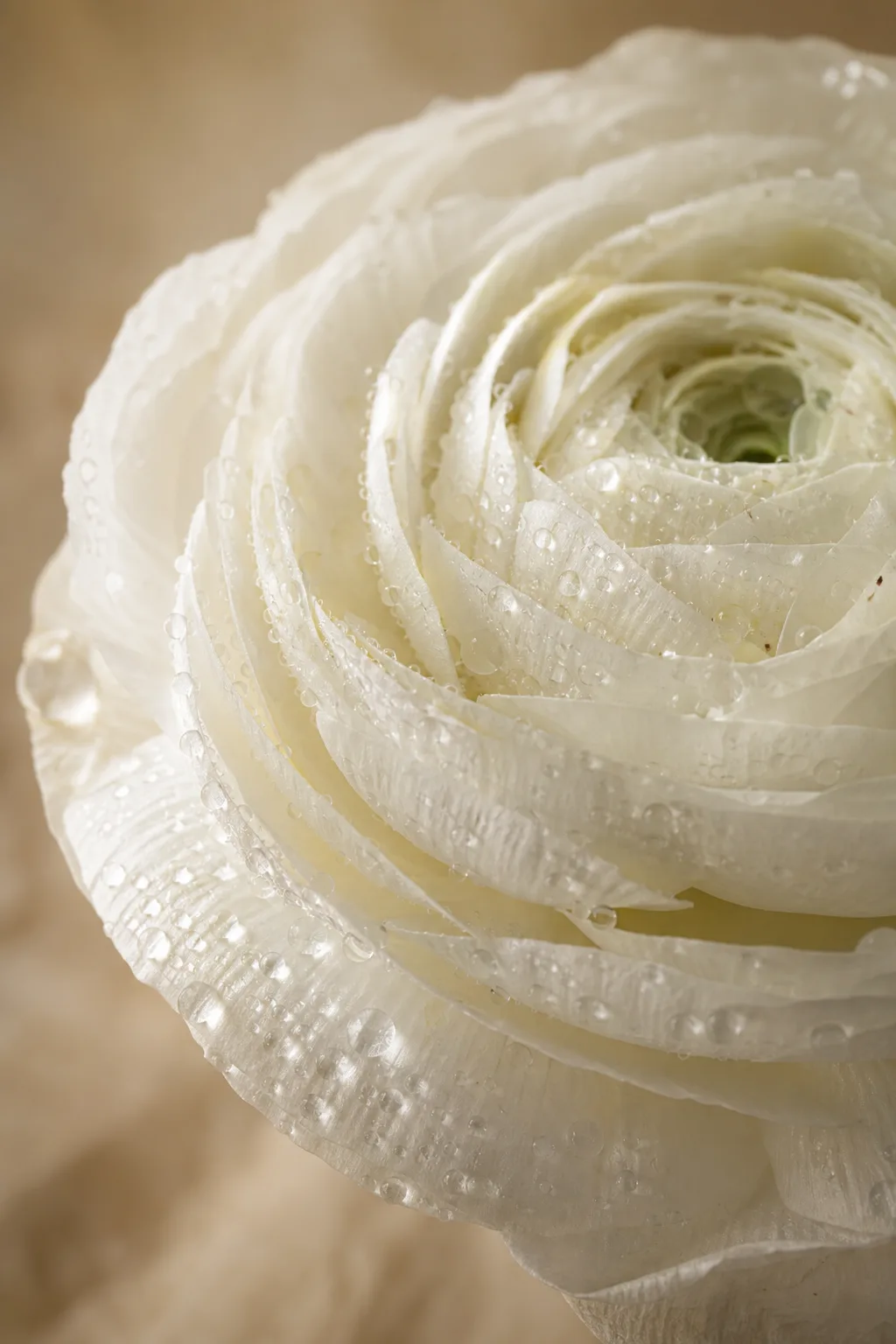
매크로 렌즈 1:1 또는 1:2 최대촬영배율 클로즈업. 꽃·음식·제품·물방울·곤충·텍스처 디테일 극대화. 한정된 심도 + 디테일.
디테일 극대화 매크로 사진摘要
這是用來製作照片轉換/濾鏡內容的 ChatGPT 圖像提示詞,已整理主題、背景、風格與構圖,方便快速調整。
相關關鍵字: 디테일 극대화 매크로 사진, 디테일 극대화 매크로 사진 프롬프트, 照片轉換/濾鏡 프롬프트, 照片轉換/濾鏡 AI 이미지 프롬프트, ChatGPT 이미지 프롬프트, AI 이미지 생성 프롬프트, AI 프롬프트, 이미지 프롬프트
디테일 극대화 매크로 사진使用方式
保留原始結構並替換主體、背景、色彩或構圖,即可延伸出不同版本。
- 保留核心主體,並依品牌、季節或平台調整色彩與背景。
- 如果畫面太複雜,請減少背景元素並具體描述主體、構圖與光線。
- 複製後可要求 ChatGPT 配合平台、長寬比或文字需求調整。
提示詞原文
[Input]
- language: Korean
- output_size: 1024x1536

[Purpose]
Macro close-up photograph focused on extreme texture, micro-detail, realistic surface depth, and believable environmental context. Designed as an editorial-grade photoreal macro image where {피사체} feels physically present, touchable, and naturally imperfect rather than staged as a sterile product mockup.

[Composition]
- Subject placement: {피사체} fills 80–90% of the frame, with a narrow but meaningful glimpse of {배경} visible around the edges to show scale, depth, and natural setting.
- Framing: partial-crop composition that shows the most informative section of the subject, including edge transitions, surface breaks, layered fibers, droplets, pores, ridges, scratches, or tiny particulate matter where physically appropriate.
- Background treatment: {배경} with shallow depth of field, soft tonal falloff, and faint real-world context such as blurred surface grain, dust specks, pollen, fabric weave, stone texture, leaf veins, table marks, or subtle contact shadows depending on the subject.
- Angle: slight oblique angle with micro perspective shift to reveal texture edges, pores, fibers, droplets, surface curvature, and the way light travels across raised and recessed detail.
- Scattering and spacing: allow organic micro-elements around the subject—tiny crumbs, moisture beads, dust, fibers, pollen grains, mineral specks, or natural debris—only when they help scale and realism, while keeping the main subject visually dominant.

[3. CORE STRUCTURE]
1) Primary macro subject: {피사체} rendered with razor-clear surface detail, emphasizing texture hierarchy, edge definition, tonal variation, natural imperfections, micro scratches, tiny residue, and physically plausible irregularities.
2) Scale control: apply {최대촬영배율} so the viewer immediately reads the image as a true close-focus macro rather than a generic close-up; include small scale cues such as dust grains, fiber strands, pollen, water droplets, or surface pores when appropriate.
3) Composition lock: use {구도·앵글} to keep the frame intimate and observational, with the subject partially extending beyond the crop and at least one clearly readable focal ridge, edge, seam, vein, or raised texture plane.
4) Optical realism: {카메라·렌즈} look with crisp focal-plane falloff, gentle depth compression, natural lens breathing, subtle focus transition, and no artificial cutout edges.
5) Light behavior: {라이팅} so specular points, translucency, wet highlights, matte roughness, fabric micro-shadows, or tiny surface reflections feel physically believable and tied to the actual material.
6) Color and finish: {컬러 톤} with restrained contrast, preserving true tonal separation in fine detail while allowing natural color variation across ridges, recesses, oxidized areas, moist patches, or translucent edges.
7) Surface environment: integrate {배경} as a believable macro setting with soft contextual texture, gentle depth layering, and contact-shadow realism, supporting the subject without turning the frame into a flat studio cutout.
8) Final polish: {포스트} with authentic high-resolution clarity, natural micro-contrast, realistic tonal rolloff, and a photographic finish that avoids plastic smoothing or overprocessed HDR.

[4. STYLE RULES]
- Typography: none; this is a pure photographic macro image with no graphic text treatment, labels, captions, or printed overlay.
- Color palette: emphasize {컬러 톤}; pair subject-native hues with a faded beige / warm neutral background such as #F2E9DD, #D9CBB6, #9C8F7E, and subdued shadow brown, while preserving any natural accent colors found in the subject.
- Texture language: prioritize tactile material evidence—micro ridges, cracks, pores, fibers, droplets, oils, powder, pollen, oxidation, mineral flecks, or fine dust—based on what would realistically exist on {피사체}.
- Depth and shadow: use natural optical shadowing, soft contact shadows, shallow depth cues, and falloff across the background surface to make the macro scale convincing.

[5. VISUAL STYLE]
- Camera / lens: Sony A7R V with Sony FE 90mm f/2.8 G OSS Macro, shot at ISO 200, f/4, 1/250, with true macro optical depth and clean resolving power.
- Lighting: natural side light from one side with soft reflector fill on the opposite side; allow subtle visible dust particles, tiny moisture sparkle, or light haze only if they are physically plausible for the material and setting.
- Color grade: matte editorial grade with restrained saturation, subject-first color separation, warm neutral background balance, delicate highlight rolloff, and realistic shadow detail inside microscopic recesses.

[6. MOOD]
Editorial macro study with a National Geographic / Condé Nast macro photography feel, where tactile realism, microscopic surface beauty, and the quiet drama of real material detail are the entire focus.

[7. CRITICAL]
- Korean text accuracy: no Korean text should appear in the rendered image.
- Anatomy/layout invariants when relevant: preserve natural physical structure of the subject; no warped edges, duplicated elements, impossible micro-geometry, fake symmetry, or invented surface anatomy.
- Macro authenticity: texture must appear optically photographed, with real depth-of-field falloff and material-specific detail rather than painted-on sharpness.

[8. 🚫 PROHIBITED]
- Fake official seals/certifications
- Broken Korean characters
- Celebrity composites/unauthorized likeness