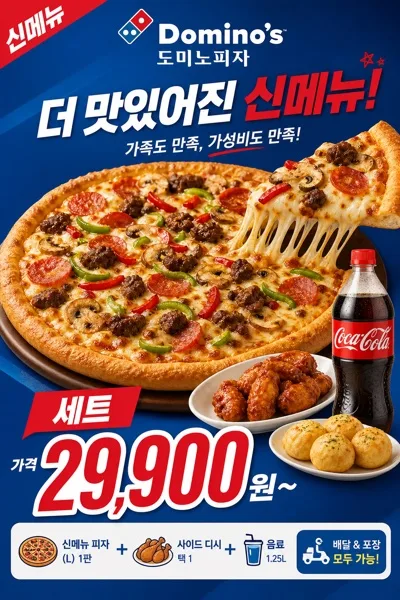
Ads/Posters
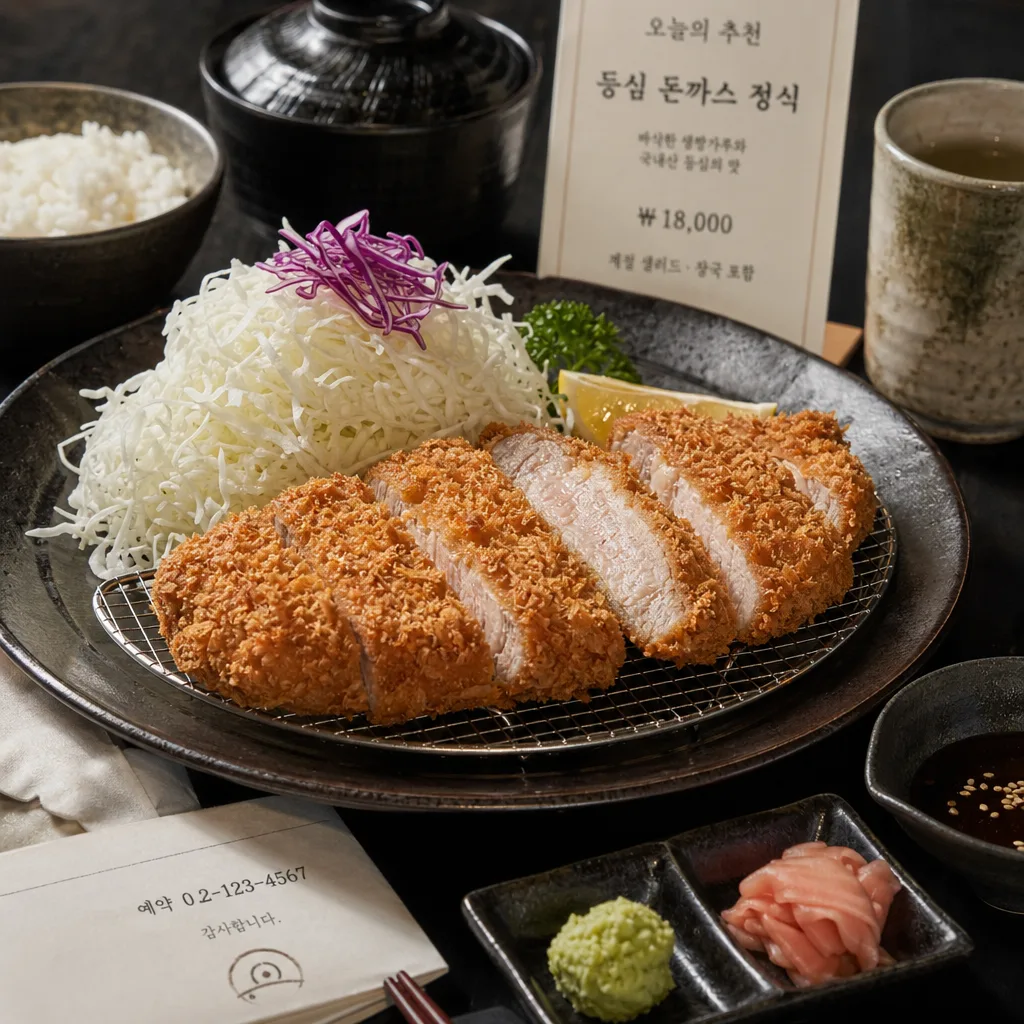
일식 클로즈업 디테일 사진
일식 디테일 사진. 오마카세·이자카야·우동·돈까스 결.
일식 클로즈업 디테일 사진 summary
Copy this ChatGPT image prompt to create Ads/Posters results. Its subject, background, style, and composition are organized for quick iteration.
Related keywords: 일식 클로즈업 디테일 사진, 일식 클로즈업 디테일 사진 프롬프트, Ads/Posters 프롬프트, Ads/Posters AI 이미지 프롬프트, ChatGPT 이미지 프롬프트, AI 이미지 생성 프롬프트, AI 프롬프트, 이미지 프롬프트
How to use 일식 클로즈업 디테일 사진
Keep the prompt structure and swap the subject, background, palette, or composition to create new variations.
- Keep the main subject and adjust the palette and background for your brand, season, or channel.
- If the result feels busy, simplify the background and make the subject, composition, and lighting more specific.
- After copying, ask ChatGPT to adapt it for your platform, aspect ratio, or text requirements.
Original prompt
[Input]
- language: Korean
- output_size: 1024x1024

[Purpose]
Korean/Japanese restaurant close-up detail photograph, editorial food image for menu, social post, or restaurant promotion.
Create a real-looking premium dining scene centered on one plated dish, enriched with believable tabletop details such as ceramic tableware, chopsticks, folded linen, dipping sauce, garnish, small menu slip, and subtle restaurant collateral.

[Composition]
- Frame a single hero dish to occupy about 70% of the canvas, with the remaining 30% filled by natural surrounding tableware, sauce dishes, chopsticks, garnish bowls, linen texture, and a small printed menu card.
- Keep the main food slightly off-center in a 45-degree close-up view or counter-level side angle, matching {각도}.
- Build the tabletop scene with {상차림} on a dark surface, using realistic restaurant placement so the dish remains the clear focal point while still feeling like an actual served meal.
- Use {일식 종류} as the primary subject, with clean edges, visible ingredient texture, moist surface detail, knife-cut precision, steam or sheen where appropriate, and natural plating cues.
- Background should show soft depth: blurred ceramic edges, wood grain, soy sauce reflection, wasabi texture, pickled ginger, chopstick sleeve, and a partial menu or receipt corner.
- Preserve a composed, premium food-photography layout with rich tabletop context and a finished editorial restaurant feel.

[3. CORE STRUCTURE]
- Main dish area (center 60-70%): {일식 종류} presented with crisp detail, realistic food texture, subtle moisture, garnish separation, and believable plating height.
- Tableware cluster (lower-left or lower-right 20-25%): {상차림} arranged as supporting elements, including ceramic soy dish, chopsticks, small bowl, folded napkin, dipping sauce, pickled garnish, or tea cup.
- Printed collateral detail: include a small visible menu card, chopstick sleeve, or reservation slip with short Korean text such as “오늘의 추천”, “계절 한상”, “점심 특선”, “셰프 추천”, “₩18,000”, and “예약 02-123-4567”.
- Lighting emphasis zone: {조명} should create a gentle highlight on the food edges, subtle shadow falloff, reflective sauce glints, and visible material separation between plate, garnish, ceramic, paper, and tabletop.
- Color balance pass: {컬러} should stay controlled and grounded, with deep neutrals, warm accents, and natural ingredient tones.
- Styling accents: {스타일링} should read as understated Japanese editorial restaurant table styling, with artisan ceramics, linen fibers, wood grain, sesame seeds, nori flakes, wasabi texture, and small imperfect serving details.
- Final crop: {비율} must remain square and tightly framed, with the dish dominant and surrounding details cropped naturally at the edges.

[4. STYLE RULES]
- Typography/collateral: no large poster typography; any visible Korean text should appear on realistic restaurant objects such as a menu slip, chopstick sleeve, receipt, reservation card, or tiny table label, set in Pretendard or Noto Sans KR, medium weight, small size, black, charcoal, or off-white.
- Color palette: black, white porcelain, wood brown, wasabi green, salmon pink, muted amber highlights, soy sauce brown, ceramic gray, cream paper, and natural ingredient colors; avoid oversaturated reds or neon tones.
- Shadows/materials: use soft natural shadows under tableware, about 4px y-offset, 10-14px blur, 15% opacity; include authentic reflections on glaze, sauce, lacquer, and moist food surfaces without plastic shine.
- Tabletop realism: include tiny sesame grains, condensation on a small glass or tea cup, slight paper curl on the menu slip, uneven ceramic glaze, sauce meniscus, and realistic garnish placement.

[5. VISUAL STYLE]
- Camera / lens: full-frame food photography, 85mm macro lens at f/2.8 or 100mm macro at f/4 for tight detail and shallow depth separation.
- Lighting: low-key studio setup with warm key light from upper-left at about 45°, subtle fill from right, and controlled rim light to define the dish surface, ceramic rim, garnish, and sauce gloss.
- Color grade: warm charcoal shadows, creamy whites, natural wood browns, wasabi green accents, and soft salmon-pink highlights; keep contrast moderate and elegant.
- Texture rendering: emphasize macro-level ingredient detail, grain of rice, fish fibers, crisp tempura edges, noodle gloss, seaweed texture, ceramic glaze, linen weave, and dark tabletop grain according to {일식 종류}.

[6. MOOD]
Premium Japanese dining editorial — a refined high-end restaurant close-up with tactile tabletop atmosphere, warm intimacy, and polished menu-photography realism.

[7. CRITICAL]
- Korean text accuracy: if visible text appears, render it perfectly legible and natural, using short Korean strings such as “오늘의 추천”, “계절 한상”, “점심 특선”, “셰프 추천”, “예약 02-123-4567”, and “₩18,000”.
- Maintain a realistic food-photography composition with one clear dish hero, supporting tableware, and believable restaurant details that enhance the scene.
- Keep all food surfaces appetizing and natural: no plastic gloss, no impossible ingredient shapes, no warped chopsticks, no melted ceramics.
- {일식 종류}, {상차림}, {조명}, {각도}, {컬러}, {스타일링}, and {비율} must guide the final image exactly.

[8. 🚫 PROHIBITED]
- Fake official seals / certifications
- Broken Korean characters